Pest control SEO
Mosquito Season SEO: Turning One-Time Yard Treatments Into Monthly Plans
Mosquito searches start after a ruined cookout. How to build a mosquito control page that sells the season plan over one spray: layout, FAQs and timing.
6 min readPest Control SEO Company team
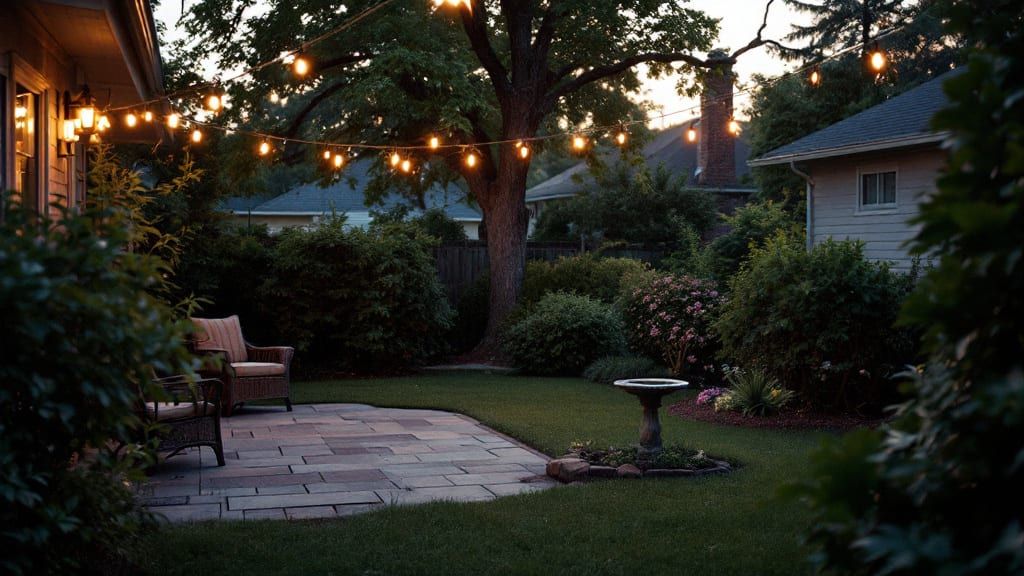
A lot of mosquito searches start with a bad evening outside: a cookout cut short, a graduation party coming up, kids who come in from the yard covered in bites. The homeowner wants one thing fixed fast, so the first search is often for a single treatment. A mosquito control page can still sell the season plan instead, if it puts the plan first, answers the real questions plainly, and makes the one-time treatment an easy step toward the plan rather than the main offer.
The difference is worth the effort. Here's the math with placeholder numbers; swap in your own. Say a one-time event treatment is $120 and your season plan is seven visits at $80. An event customer is worth $120. A season customer is worth $560 the first year, and if they renew for three seasons, $1,680, before you ever offer them a general pest plan. One page can produce either kind of customer. How it's built decides which.
What people type, and when
Mosquito searches tend to come in two waves, and timing varies by region and weather.
The first is the season start. As evenings warm up, people notice bites on the deck and search "mosquito control near me," "mosquito spraying for yard," or "how to get rid of mosquitoes in backyard."
The second is event-driven, and it runs all season: "mosquito treatment before party," "one time mosquito spray," "mosquito spray for backyard wedding." Holiday weekends, graduations and birthday parties all trigger them. These searchers have a date in mind and want to know if you can make it.
Both waves need the same page. The event searcher needs to see that you handle one-time treatments. The season searcher needs to see why a plan beats a spray. If the page only talks about one, it loses half the calls.
The page, top to bottom
Here's an order that works for a mosquito control page, with what each part needs to do.
1. A heading and opening that match the search
Something like "Mosquito control in [your main town] and nearby" with an opening paragraph that says, in three sentences, what you offer (season plans and one-time event treatments), which towns you cover, and how to book. No paragraph about how annoying mosquitoes are. The visitor already knows.
2. The two options, plan first
Lay out the season plan and the event treatment side by side, with the plan on the left or on top. For each, say:
- what's included on a visit
- how many visits, and roughly when your season runs in your area (say it's based on local weather, not fixed dates)
- the price, or how you price it (yard size, number of visits)
- what happens if mosquito activity picks up between visits, and whether a re-service costs anything
Then add one line that connects them: if a customer books an event treatment and signs up for the season plan within a set number of days, the event visit counts as the first plan visit, or its cost is credited. That turns the event searcher's urgency into a reason to start the plan now.
3. What happens on a visit
Describe your tech's actual routine in plain words. They walk the property, look for the shaded, sheltered spots where mosquitoes rest (shrubs, under decks, along fence lines), treat as the product label directs, and point out standing water: buckets, clogged gutters, tarps, toys, birdbaths. A short paragraph and two real photos (your tech with the equipment in a customer's yard, a tipped-out bucket) do more than any graphic.
Be careful with promises here. Don't describe a "mosquito-free yard" and don't attach percentages to results. Mosquito activity depends on weather, nearby water and neighboring yards, and saying so up front prevents the callback that starts with "you said they'd be gone."
4. What the homeowner can do between visits
A short list: empty standing water weekly, clean gutters, change birdbath water, keep grass and shrubs trimmed. It shows you know the subject, and it sets up a shared job between the company and the customer, which makes a season plan feel like a partnership instead of a spray.
5. The questions people actually ask
These are the questions that come up on mosquito calls, and how to answer them honestly:
- "Is it safe for my kids and my dog?" Don't answer with the word "safe." Safety claims about pesticides are regulated by the EPA and state agencies. Explain what you do: you follow the product label, including how long people and pets should stay off treated areas, and you'll share the label on request. Your state's pesticide regulatory agency is the place to check what you can say, and the EPA's mosquito control pages explain how mosquito products are regulated.
- "How long does a treatment last?" Answer with your schedule, not a general claim: "Our plan visits are spaced through the season so the yard is treated again before the last visit wears off," adjusted to what your program and product labels call for.
- "Will it get rid of all the mosquitoes?" Honest answer: it's meant to reduce mosquito activity in the treated areas; weather, standing water and neighboring properties all play a part.
- "What if it rains right after?" Say what your policy is.
- "Can I start the plan mid-season?" Yes, if you allow it, and say how the remaining visits are priced.
- "Do you treat for ticks too?" If you do, say so and link to that service. It's a natural add-on to the same visits.
Write the answers in your own voice. The questions above are a starting point; the most useful ones are the ones your office hears every week.
6. Proof and a short form
Put two or three reviews from mosquito customers near the form, ideally ones that mention a season plan. On the form itself, ask for the event date if there is one, the rough yard size, and a checkbox for "Interested in the season plan." That checkbox tells whoever calls back which conversation to have.
Timing the page
The page needs to be live and indexed before your season starts, not the week the first bites show up. Look at last year's call log for your first mosquito call and plan to have the page published or refreshed six to eight weeks before that date. If the page already exists, refresh it: this year's photos, updated plan details, the questions callers asked last season.
Then plan for three moments in the season:
- Season start: post an update on your Google Business Profile with a real yard photo and a link to the page.
- Before the big holiday weekends in your area: post about event treatments, with booking cutoffs, and mention the plan credit.
- Late season: send event customers a note about next year's plan, and make a list of every plan customer to contact before next season with a renewal reminder.
That last step is where most of the value sits. A season plan customer who renews without being chased is about as cheap a customer as you'll ever sign, and a mosquito customer who already trusts your techs in the yard is a strong candidate for a general pest plan too.
This is the approach behind our SEO built around the pest calendar and recurring plans: the page goes up before the season, and success is measured in renewals, not in one-time sprays.
If your mosquito page is live but most of what it brings is one-time jobs, the free search audit will look at how it ranks, what it says and where it loses the plan customers.